Kotora Melnkalne: Montenegro’s Medieval Gem
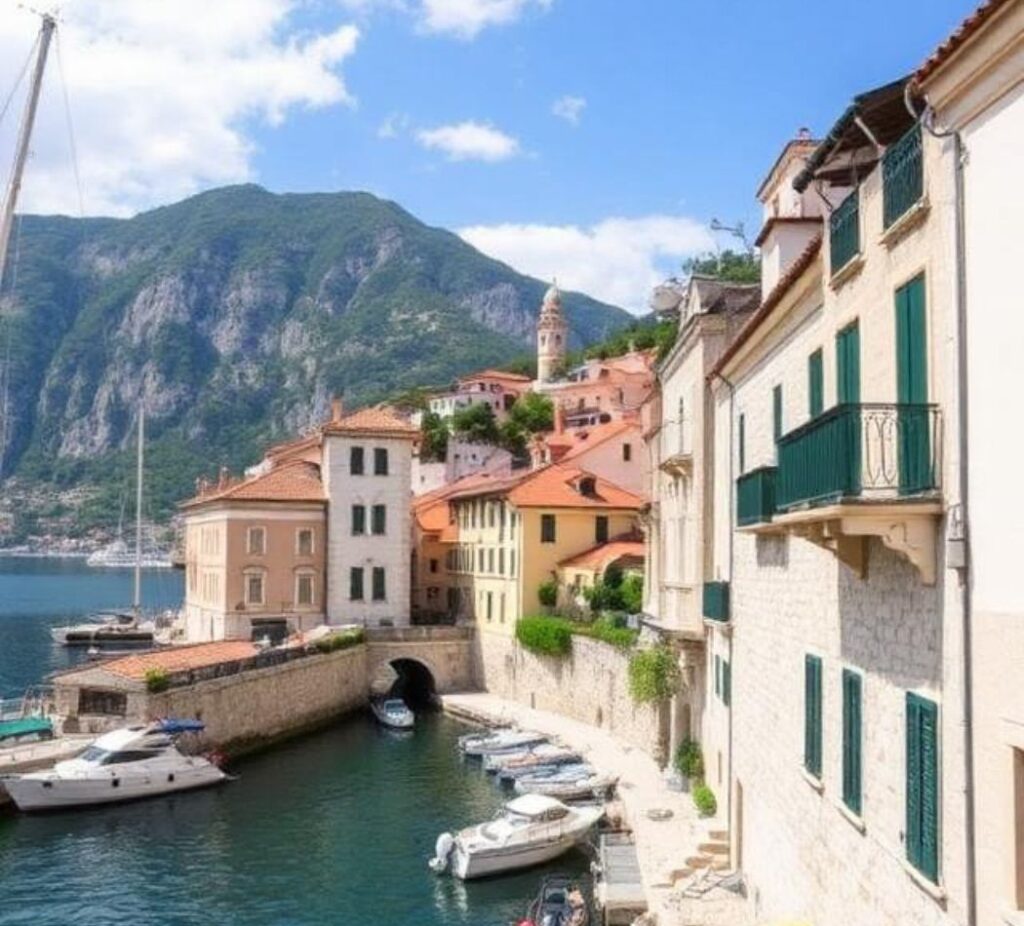
Imagine a town with only 22,000 permanent residents. Now picture that same town welcoming up to 700,000 cruise passengers during a single tourism season. That’s not a typo. Kotora Melnkalne—the Montenegrin coastal town known internationally as Kotor—has become one of the Adriatic’s most sought-after destinations, and for good reason.
Nestled between towering limestone mountains and a bay so striking it’s often mistaken for a Norwegian fjord, this UNESCO World Heritage site packs more history into 4.5 hectares than most countries manage in entire regions. Venetian palazzos. Byzantine cathedrals. Roman mosaics. And yes, more cats than you can count.
But here’s the twist: Kotora Melnkalne isn’t just a pretty postcard. It’s a living, breathing community grappling with the very real consequences of its own popularity. This guide will show you how to experience its magic responsibly, uncover its hidden courtyards, and understand why this tiny town matters far beyond its medieval walls.
Background: From Roman Outpost to Venetian Jewel
The story of Kotora Melnkalne stretches back over two millennia. Long before cruise ships arrived, Illyrian tribes, Romans, and Byzantines recognized the strategic value of this sheltered bay. But it was the Venetian Republic that left the most indelible mark, ruling from 1420 to 1797 and transforming the settlement into a fortified maritime hub.
Walk through the Old Town today and you’ll see layers of history stacked like sedimentary rock. The Cathedral of St. Tryphon, consecrated in 1166, still bears traces of Byzantine frescoes. The city walls—stretching 4.5 kilometers and climbing 260 meters up the mountainside—represent centuries of defensive engineering. And the stone pillory in the Square of Arms? That’s where medieval justice was dispensed, a reminder that this wasn’t always a peaceful tourist destination.
A devastating earthquake in 1979 nearly destroyed much of the town. But the restoration effort that followed earned Kotora Melnkalne its UNESCO status that same year, ensuring that the Venetian stonework would survive for future generations.
The Old Town: A Living Museum (That You’ll Actually Enjoy)
Getting Lost on Purpose
The Old Town isn’t designed for straight lines. Its alleys twist and turn with deliberate complexity—this wasn’t aesthetic whimsy but military strategy, built to disorient invaders. The result for modern visitors is a labyrinth where every wrong turn reveals something right.
Start at the Sea Gate and the Square of Arms, anchored by the Clock Tower. Built in 1602, the tower developed a noticeable tilt after the 1979 earthquake—locals call it Kotor’s own Leaning Tower. From there, resist the urge to follow the crowd. Instead, head northeast toward St. Luke’s Square and duck into the monastery courtyards hidden behind unassuming facades. These are among the only open green spaces within the walls, and most tourists walk right past them.
The Cathedral and Beyond
The Cathedral of St. Tryphon deserves its reputation as Kotor’s architectural centerpiece. The pale Romanesque interior features slender Corinthian columns alternating with pink stone pillars, and the gilded silver bas-relief behind the altar is considered the town’s most valuable treasure. Unlike most churches in Kotor, this one charges admission—but the fee includes access to the sacral art museum upstairs, and entry to services is free.
For something offbeat, the Cats Museum offers a private collection of thousands of feline-themed postcards, lithographs, and antique advertisements. The admission fee supports the town’s famous street cats, a population so beloved that Kotor has earned the nickname “Cat City”.
Karampana Square: The Medieval Gossip Hub
Seek out Karampana Square, home to a carved stone fountain from the 17th century. Until the early 20th century, this was the town’s only fresh water source—which made the square the de facto news agency where all local gossip originated. Today, it’s a quieter spot perfect for watching daily life unfold away from the tour groups.
Beyond the Walls: What Most Visitors Miss
The Fortress Climb (and the Smarter Alternative)
The hike to St. John’s Fortress is Kotor’s signature experience—1,350 steps up a shadeless mountainside, taking roughly 45 minutes at a solid pace. The views from the top, where the ruins of a 15th-century castle overlook the bay, are genuinely breathtaking.
But here’s what the guidebooks don’t tell you: entry is often free before 7 AM or after 6 PM. Go early for sunrise, or late for golden hour, and you’ll avoid both the crowds and the €8 ticket. Bring water, wear proper shoes, and don’t underestimate the heat between June and August.
The Waterfront Walk to Dobrota
While Kotor hides behind its walls, the neighboring waterfront strip of Dobrota stretches for nearly 5 kilometers along the bay. This is where locals go for a genuine seaside stroll—cafes, pebbly beaches, and the 17th-century St. Matthew’s Church along the way. It’s an easy 20-minute walk from the Old Town, and it feels like a completely different world.
Perast and the Artificial Island
A 15-minute taxi ride north brings you to Perast, a Baroque village of fewer than 400 residents strung along a single waterfront promenade. From here, small boats ferry visitors to Our Lady of the Rocks, an artificial island built over centuries by fishermen throwing stones into the bay. The church on the island contains stunning artwork and offers views back toward the mainland that are worth the short crossing.
Practical Tips for Visiting Kotora Melnkalne in 2026
When to Go (and When to Stay Away)
May, June, September, and early October offer the sweet spot: comfortable temperatures, manageable crowds, and reasonable prices. July and August are peak season—expect heat, higher prices, and cruise ship crowds that can overwhelm the Old Town’s narrow streets.
If you must visit in summer, arrive early morning or late afternoon. Cruise passengers typically flood the town between 10 AM and 4 PM. Plan your Old Town exploration around those hours.
Money and Logistics
Montenegro uses the euro despite not being an EU member, which simplifies budgeting. Many guesthouses and smaller shops are cash-only, so withdraw euros before you arrive. Credit cards are accepted at larger restaurants and hotels.
Getting around: Kotor is walkable, but exploring the wider bay requires a car. Rentals run €40–65 per day, and mountain roads make an SUV worthwhile. Tivat Airport (TIV) is just 20 minutes away by taxi.
Where to Eat (and Where to Avoid the Markup)
Squid ink risotto, Njeguški pršut (smoked ham), and fresh Adriatic seafood define the local cuisine. But beware: restaurants directly on the Old Town walls or waterfront charge a 30–50% location premium. Walk a few blocks inland or into Dobrota for the same quality at more honest prices.
The Overtourism Challenge: A Town at a Crossroads
When 700,000 Outnumbers 22,000
Kotora Melnkalne’s popularity has a dark side. With up to 700,000 cruise visitors per season descending on a town of just 22,000 residents, the infrastructure strain is immense. Mayor Vladimir Jokić has publicly acknowledged that the current situation requires “careful and responsible management,” noting that the Old Town’s legal framework needs updating to ensure tourism products actually reflect local culture and heritage.
The environmental impact is equally concerning. Marine biologists have called for studies to determine the maximum environmental load the bay can sustain, warning that unchecked cruise traffic threatens the marine ecosystem. Local tourism director Jovan Ristić has voiced concerns about residents’ quality of life during peak season, noting that other destinations are actively reducing or selecting cruise arrivals.
What This Means for You
Visiting Kotora Melnkalne responsibly means spending locally. Choose family-run guesthouses over international chains. Eat at konobas (traditional taverns) rather than tourist-trap restaurants. And consider visiting outside peak cruise hours or in shoulder season. Your choices matter.
Real Estate and Long-Term Stays: A Changing Landscape
The Luxury Market
Kotor’s Old Town has become one of the most supply-constrained luxury micromarkets on the Adriatic. Apartments inside the medieval walls trade between €3,500 and €6,000 per square meter, with restored stone properties commanding the highest premiums. The entire residential stock sits within roughly 4.5 hectares, and no new units can be built.
International demand has broadened significantly. Buyers from Western Europe, the Middle East, and the Anglophone world now join the historically dominant Russian and Balkan buyer pools. For those seeking an Adriatic foothold outside the eurozone’s existing property markets, Montenegro’s EU accession trajectory adds a layer of long-term confidence.
Digital Nomads and Remote Workers
For those not ready to buy, Kotor has emerged as a viable base for digital nomads. Monthly costs for a single person run approximately €1,400–€1,800, covering a furnished apartment, dining, utilities, and coworking access . Coliving options like Kotor Nest combine accommodation and workspace in the Old Town itself.
Common Mistakes to Avoid
Mistake #1: Treating Kotor as a day-trip. The Old Town is compact, but the surrounding area—Perast, Lovćen National Park, the hidden coves—deserves at least two or three days.
Mistake #2: Climbing the fortress at midday in July. There’s almost no shade. Go at sunrise or sunset, or you’ll remember the heat more than the view.
Mistake #3: Assuming everyone speaks English. While younger Montenegrins often do, older residents may not. Learning a few phrases in Montenegrin goes a long way.
Mistake #4: Skipping the interior. Kotor’s Old Town gets the attention, but the Skurda River Canyon above the North Gate offers a rugged, less-visited perspective on the town’s defensive geography.
Mistake #5: Ignoring the cats. Seriously. They’re part of the town’s identity. The Cats Museum exists for a reason, and the street cats are well-cared-for community members.
Future Outlook: What’s Next for Kotora Melnkalne?
Three trends will shape Kotor’s trajectory through 2026 and beyond:
Managed tourism. Expect stricter cruise ship regulations, potentially higher passenger fees (currently just €1), and more deliberate selection of vessel sizes and arrival schedules.
Heritage-conscious development. The luxury real estate market will continue to reward restoration-grade properties over superficial renovations. Buyers who work with licensed conservation architects will see stronger resale premiums.
Year-round appeal. Kotor’s winter charm—misty mornings over the bay, snow-dusted mountains, festive lights—remains underappreciated. As summer crowds grow, savvy travelers will discover the quieter months.
Key Takeaways
-
Kotora Melnkalne (Kotor) is a UNESCO World Heritage site with Venetian architecture, medieval walls, and a stunning fjord-like bay.
-
Best times to visit: May–June and September–October for fewer crowds and comfortable weather.
-
The fortress climb (1,350 steps) is free before 7 AM and after 6 PM—go early or late to avoid crowds and heat.
-
Overtourism is a real issue: 700,000 cruise visitors overwhelm a town of 22,000. Visit responsibly and spend locally.
-
Hidden gems exist: monastery courtyards, Karampana Square, and the Dobrota waterfront reward those who wander off the main paths.
-
Real estate is supply-constrained: Old Town apartments start around €3,500/m², and no new construction is possible inside the walls.
-
Digital nomads can base here for €1,400–€1,800/month, with coliving options in the Old Town.
Frequently Asked Questions
Is Kotora Melnkalne the same as Kotor?
Yes. “Kotora Melnkalne” combines the Montenegrin name for the town (Kotor) with the country name (Melnkalne is “Montenegro” in Latvian). They refer to the same place.
How do I get to Kotor?
Fly into Tivat Airport (TIV), just 20 minutes away, or Podgorica Airport (about 2 hours). Buses connect Kotor to Budva, Dubrovnik, and other regional cities.
Do I need a visa for Montenegro?
Many nationalities can enter visa-free, including holders of valid multiple-entry Schengen, US, or UK visas. Check current requirements before traveling.
Is Kotor expensive?
It’s more affordable than Western Europe but pricier than neighboring Balkan countries. Budget €1,400–€1,800/month for comfortable living, or €60–100/day for mid-range travel.
What’s the deal with all the cats?
Kotor has a centuries-old cat population, likely descended from felines brought by sailors. They’re well-cared-for, and the town even has a Cat Museum supporting their welfare.
Can I swim in the Bay of Kotor?
Yes. The water is clean, and pebbly beaches at Dobrota and Muo are popular swimming spots. Water quality is monitored, though boat traffic can affect some areas.
Sources
-
Scents Villas: “Kotora Melnkalne: Discover Montenegro’s Hidden Gem”
-
Trip.com: Kotor Old Town View Travel Guide (2026)
-
ABNA-SE: “Cruise tourism requires careful and responsible management”
-
Freaking Nomads: “Kotor for Digital Nomads” (2026)
-
Sotheby’s International Realty: “Bay of Kotor Real Estate Prices 2026”
-
Lonely Planet: “The 11 best things to do in Kotor, Montenegro”
-
TV3.lv: “Melnkalnes pilsēta Kotora iemantojusi ‘kaķu pilsētas’ titulu”
-
The Mirror: “Popular town ‘on the brink’ as hundreds of cruise ships bring tourists”
-
Montenegro Digital Nomad Agency: “Cost of Living in Montenegro 2026”
-
Sotheby’s International Realty: “Luxury Apartment Kotor Old Town Investment Guide”
-
Emperor Magazine: “Kotora Melnkalne: The Ultimate Hidden Gem of Europe”
About The Author